
First time staying in a Kedah homestay: what to know before you go
By Janice · Updated 2026-08-07
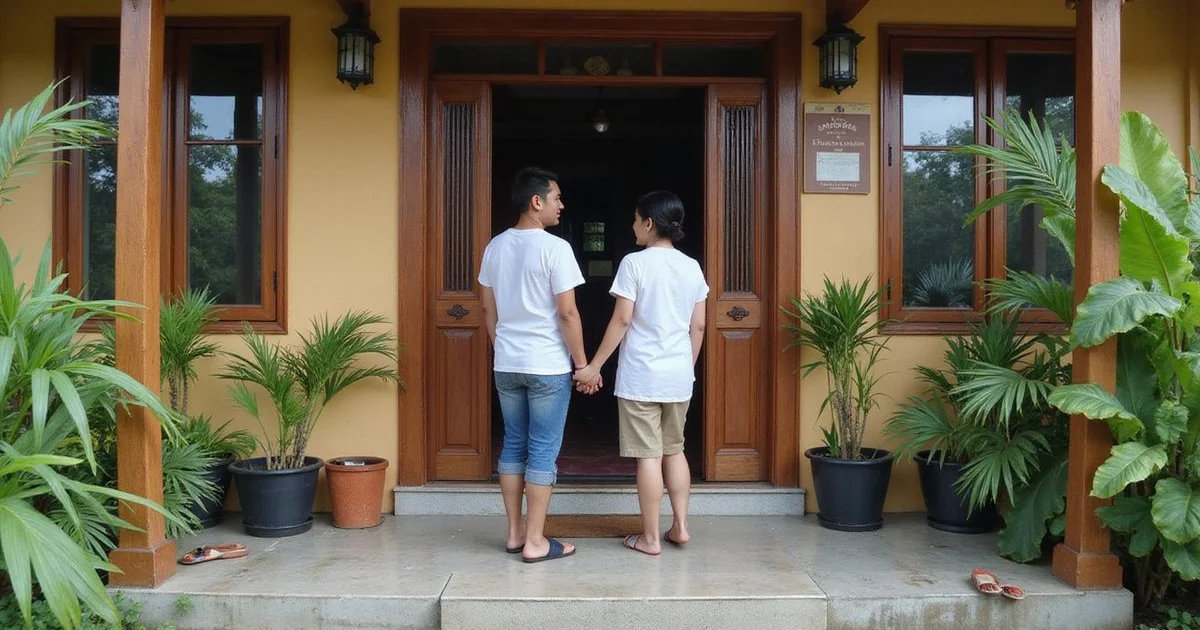
If your only reference point is hotels, a first homestay stay can feel like a different kind of trip entirely, in a good way, once you know what to expect. Here’s a plain rundown for anyone booking their first one in Kedah.
What actually makes a homestay different
A homestay generally means staying in or alongside a residential property rather than a commercial hotel building. In Kedah that spans a wide range:
- A traditional kampungstay, where you stay with or near a local host family and get a taste of village life.
- A private vacation home or villa rented entirely to your group, with no shared living space.
- Everything in between, including guest houses and farmstays.
The common thread is a more personal, local setup than a hotel chain, but how much of that “local” feel you actually get depends heavily on which type of property you book.
What’s usually included, and what isn’t
Don’t assume a homestay works exactly like a hotel. Common differences:
- Check-in is often in person with the host, not a 24-hour front desk.
- Meals may or may not be included; some traditional homestays offer shared meals with the host family as part of the experience, others expect you to self-cater or eat out.
- Amenities vary a lot by property type, a private pool villa is a very different experience from a simple kampung room.
- Common areas, such as a shared kitchen or living room, may be part of the stay at family-run properties, while private rentals keep everything exclusive to your group.
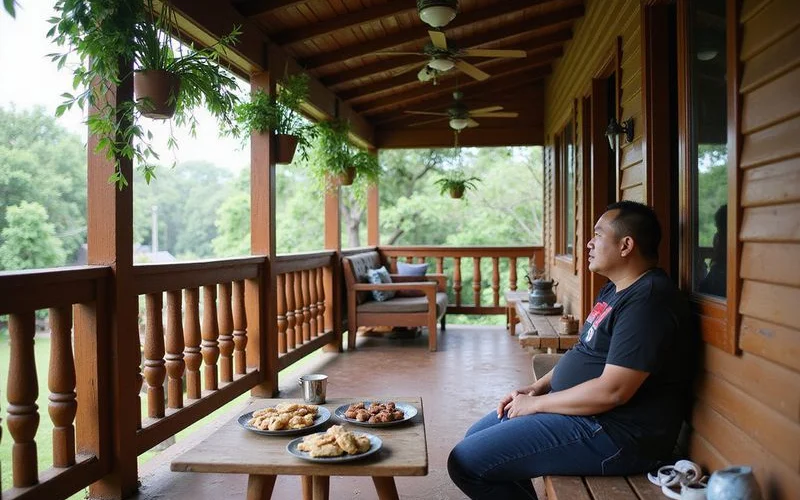
A few etiquette basics
If you’re staying somewhere with a resident host family, a bit of basic courtesy goes a long way:
- Remove shoes before entering the main living area, a common local custom.
- Ask before using shared kitchen items or appliances.
- Keep noise reasonable in the evening if the host family lives on-site.
- Be upfront about dietary needs early, particularly if meals are shared.
| First-timer question | What to check |
|---|---|
| Will I be sharing space with a host family? | Confirm in the listing or by asking directly |
| Are meals included? | Varies widely, don’t assume either way |
| What’s the check-in process? | In person vs self-check-in differs by property |
| What’s genuinely included vs extra? | Ask for a clear breakdown before booking |
What to bring that you might not think of
A hotel stocks the basics automatically; a homestay sometimes expects you to check first. Toiletries, extra towels and hairdryers aren’t always provided at smaller or budget properties, so it’s worth asking rather than assuming. If you have specific dietary needs and meals are part of the stay, mentioning this at booking rather than on arrival gives the host time to plan for it properly. A basic phrasebook or translation app is also handy in more rural, kampung-style settings where English may be limited, though most hosts in well-reviewed properties manage a friendly welcome regardless of language.
How to set the right expectations
The biggest source of first-time disappointment isn’t the property itself, it’s a mismatch between what a guest expected and what the stay actually offers. Someone hoping for a hotel-style, fully independent stay can feel intruded on by a well-meaning host family checking in often. Someone hoping for a deeply local, immersive experience can feel like a traditional homestay run more like a simple rental fell short of that. Reading the listing description carefully, and asking the host directly what a typical stay looks like, closes that gap before you arrive rather than after.
Picking the right type for your first stay
If you want the fullest local experience, look toward traditional kampung-style properties, or a farmstay during harvest season if the timing lines up with your trip. If you’d rather have full privacy with hotel-like independence, a vacation rental or private villa is the closer match. Neither is the “correct” way to do a homestay, it comes down to what kind of trip you want.
Browse the full range of homestay listings in Kedah to compare property types, and see our scoring methodology for how listings are ranked based on recent guest feedback. You can also start from the directory homepage for a broader overview.
Questions people ask
- Is a homestay the same as renting an apartment?
- Not always. A traditional homestay, sometimes called a kampungstay, involves staying with or near a host family and experiencing local village life. A vacation rental or standalone villa is closer to renting a private house, with less or no direct interaction with a host family. Both fall under the broader homestay category on this directory.
- Will I share the home with the host family?
- It depends on the property. Some homestays involve a shared household with a tuan rumah, or host family, while others, especially villas and vacation rentals, are entirely private. Check the listing description for which applies.
- Do I need to bring my own toiletries?
- Most homestays provide basics like towels, but it's worth asking directly rather than assuming, especially for smaller or budget properties.
- Is it normal to eat meals with the host family?
- It can be part of the experience at some traditional homestays, particularly those offering a cultural immersion programme, but it's not universal. Ask in advance if shared meals are something you want or want to avoid.